SAVE THE DATE!
6th Annual Rappahannock River Symposium
Wednesday, October 21, 2026
The Woolen Mill, 203 Ford Street, Fredericksburg, VA
6th Annual Rappahannock River Symposium!
This is an amazing opportunity to collaborate, learn, and connect with others who bring expertise in new research, funding opportunities, and a shared passion for promoting clean water and preserving our watershed. This event is open to a wide range of participants, including local government staff and elected officials, representatives from planning districts, soil and water conservation districts, land trusts, state and federal agencies, as well as students, educators, and community members interested in environmental stewardship.
The theme for the 2026 Symposium is “One Watershed, One Team: Supporting Each Other with Collaborative Solutions in Challenging Times.” As practitioners face mounting pressure from land use change, weather extremes, and funding availability, the Symposium will emphasize how collaboration sustains and strengthens our collective impact. Together, we will explore innovative partnerships, creative solutions, and coordinated efforts, while creating space to share strategies for resilience and mutual support.
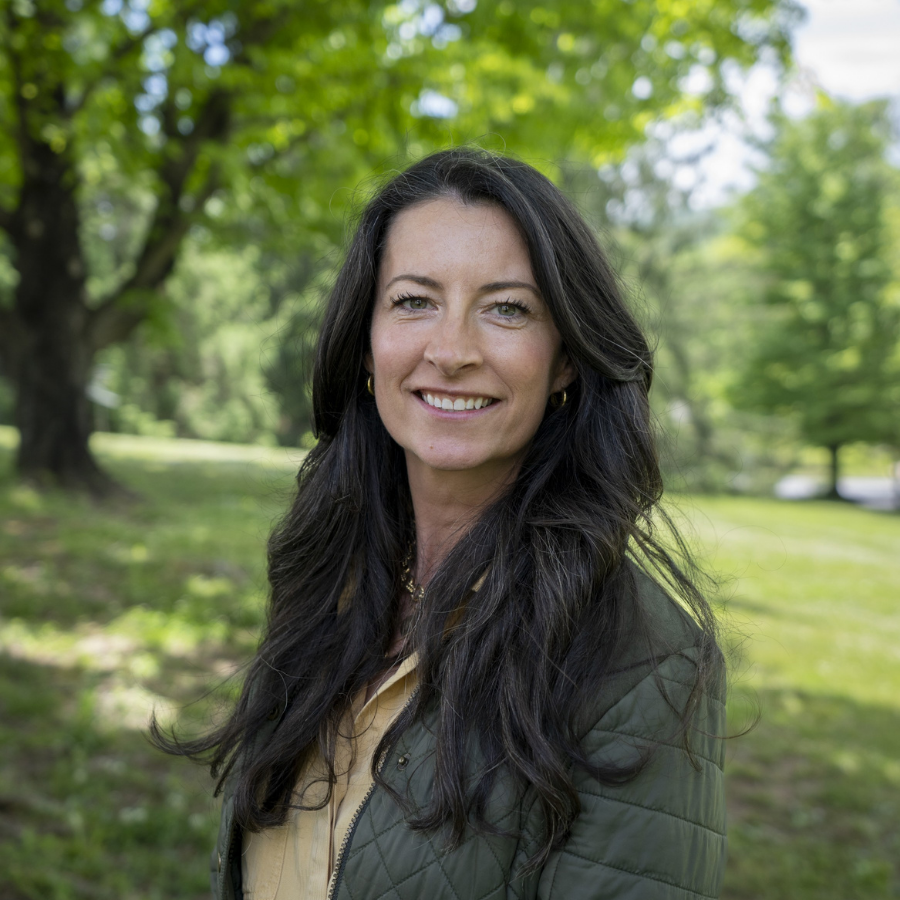
Meet This Year’s Keynote Speaker!
Dr. Amy Johnson is a conservation biologist at the Smithsonian’s National Zoo and Conservation Biology Institute, where she leads the new Center for Working Lands and Seascapes. In this role, she works across the U.S. and internationally to connect science, land stewardship, and community action, advancing collaborative approaches to biodiversity conservation by translating ecological research into practical, scalable solutions that support resilient ecosystems and the people who depend on them.
Since 2017, Amy has also directed Virginia Working Landscapes, a Smithsonian program that partners with landowners, farmers, and conservation organizations to co-design applied research on private lands. Under her leadership, the program has demonstrated how conservation can be embedded within working farms to strengthen biodiversity, ecosystem services, and long-term land and water stewardship.

Sponsorship Opportunities for the Symposium are STILL OPEN!
The Rappahannock River Symposium is made successful by the generous contributions! Sponsorship options vary from $250 to $1000, offering numerous benefits including marketing opportunities, complimentary registration, and more!
We’re hopeful that you will consider supporting the Roundtable by becoming a sponsor for this year’s Rappahannock River Symposium! To become a sponsor or for more information, please contact [email protected].
Important Dates:
The dates listed below are continuously updated as we move closer to the Symposium.
- May 1st – Request for presentation & poster sessions open
- June 1st (extended date June 8th) – Session Proposals Due
- June 23 – Proposal review by planning committee
- August – Event reservation opens Sponsorships closes
- October 21st – Symposium Day
Thank you to our supporters and sponsors!
This project has been funded wholly or in part by the United States Environmental Protection Agency under assistance agreement CB – 95336001 to the National Fish and Wildlife Foundation. The contents of this document do not necessarily reflect the views and policies of the Environmental Protection Agency, nor does the EPA endorse trade names or recommend the use of commercial products mentioned in this document. The views and conclusions contained in this document are those of the authors and should not be interpreted as representing the opinions or policies of the U.S. Government or the National Fish and Wildlife Foundation and its funding sources. Mention of trade names or commercial products does not constitute their endorsement by the U.S. Government, or the National Fish and Wildlife Foundation or its funding sources.
This project has been funded in part by the United States Environmental Protection Agency under assistance agreement C2-95306901-0 to the Virginia Department of Environmental Quality and through the Chesapeake Bay Stewardship Fund through the National Fish and Wildlife Foundation (NFWF).