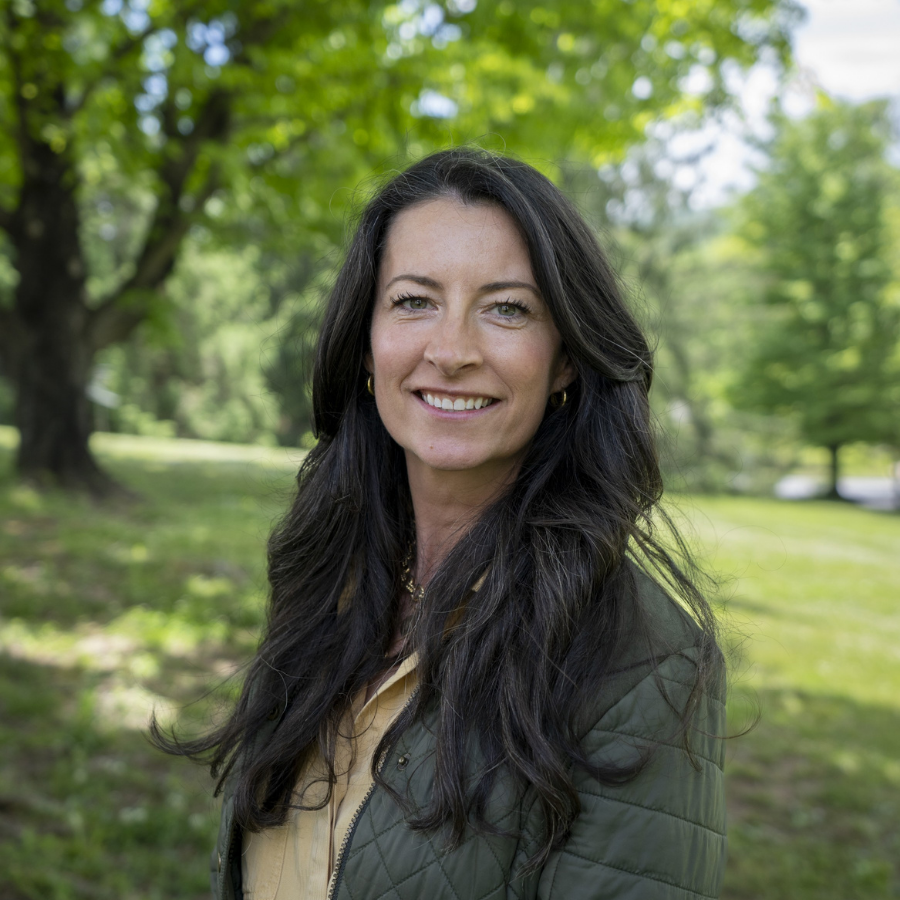
2026 Symposium Keynote Speaker
Presentation: Cultivating Change: How conservation partners and farming communities are working side-by-side to develop research-informed conservation management across the Rappahannock Watershed.
Dr. Amy Johnson is a conservation biologist at the Smithsonian’s National Zoo and Conservation Biology Institute, where she leads the new Center for Working Lands and Seascapes. In this role, she works across the U.S. and internationally to connect science, land stewardship, and community action, advancing collaborative approaches to biodiversity conservation by translating ecological research into practical, scalable solutions that support resilient ecosystems and the people who depend on them.
Since 2017, Amy has also directed Virginia Working Landscapes, a Smithsonian program that partners with landowners, farmers, and conservation organizations to co-design applied research on private lands. Under her leadership, the program has demonstrated how conservation can be embedded within working farms to strengthen biodiversity, ecosystem services, and long-term land and water stewardship.
Featured Session Speakers:
Additional speakers will be announced soon.
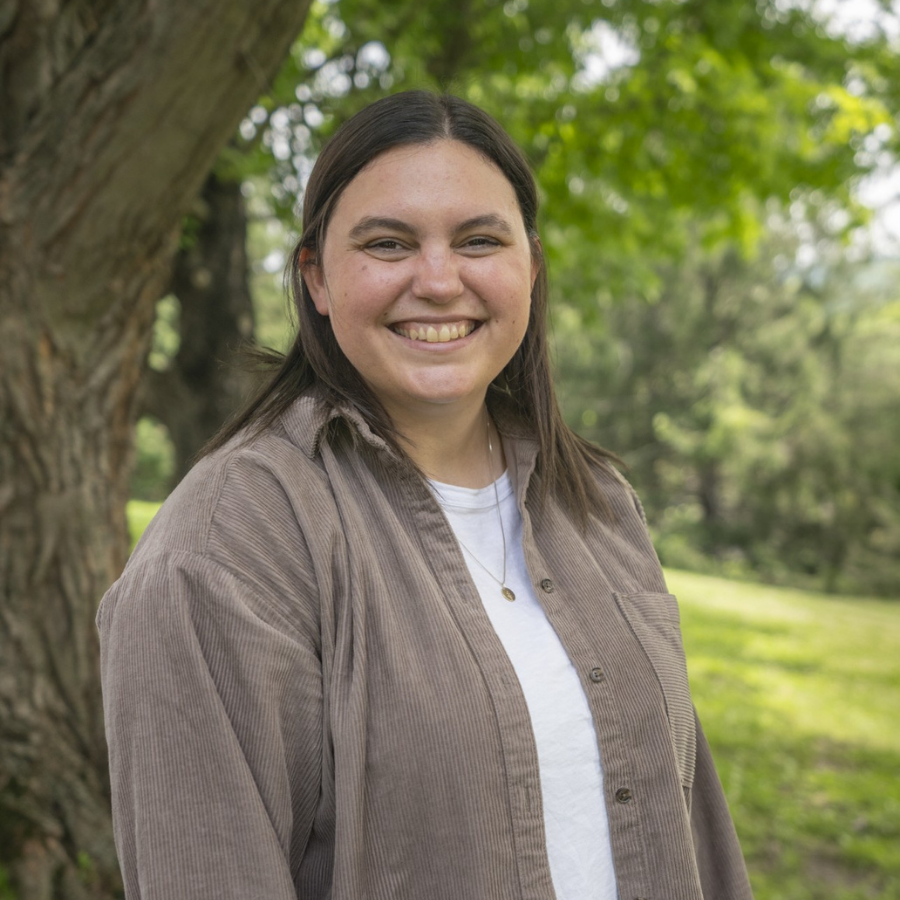
Presentation: Communications & Conservation Storytelling
Brooke McDonough is Smithsonian’s Virginia Working Landscapes Communications Specialist. She is focused on communicating the important research and initiatives of VWL to a wider audience and making their resources accessible. She also works to develop impact-driven media on behalf of VWL to share stories of conservation efforts and leaders across the Northern Virginia Piedmont and Shenandoah Valley region. Brooke received her undergraduate degree from Christopher Newport University in English Literature with minors in Communications and Sociology. She earned her Masters of Arts from George Washington University’s Corcoran College of Arts and Design in New Media Photojournalism. Brooke is a National Geographic Explorer and a member of the International League of Conservation Photographers.
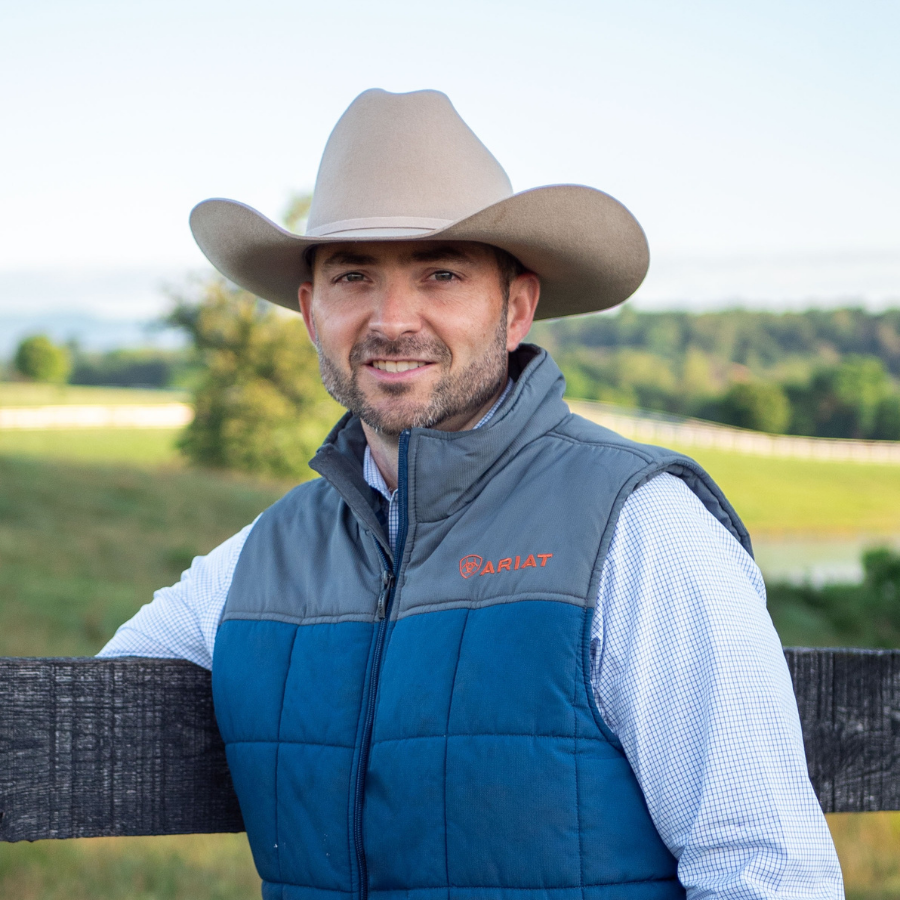
Presentation: How Rappahannock Watershed partners are piloting new ideas and technologies to advance regenerative agriculture and wildlife conservation in Virginia
Jacob Gilley raised in Central Virginia, Jacob has spent his entire life working the land, studying it, and helping others make the most of it. Today, as a farmer, agricultural consultant and real estate professional with his company, Legacy Land Real Estate, brokered by Gayle Harvey Real Estate, he specializes in farms, recreational properties, and rural land. Additionally, Jacob and his wife Jennifer, along with their four children, operate JG Land & Livestock, a working livestock farm focused on sustainable and profitable production while also using their farm for innovative research and education. Through their Heaven’s Hollow Farm brand, Jacob and Jennifer also direct market beef to consumers. Before transitioning into real estate in 2025, Jacob spent more than six years with American Farmland Trust as a Senior Technical Livestock and Grazing Specialist. He worked directly with landowners across Virginia to implement conservation practices that improve soil health, water quality, wildlife habitat, and overall farm profitability.
Presentation: An Innovative Living Shoreline Restoration and Stabilization Approach in Severely Eroded High Energy Environments in the Rappahannock River Watershed
Jeff Corbin has spent the last 30 years working to protect and restore the Chesapeake Bay. He is currently the lead for all-things-living-shoreline in Virginia and Maryland for the Native Shorelines Team at the Davey Tree Expert Company. Prior to being acquired by the Davey Company in 2022 since 2016 Jeff was the Director of Environmental Policy and Water Markets for Restoration Systems (RS). In his role at RS, he was responsible for expanding the company’s visibility in water quality markets across a multi-state region. Prior to joining RS, he served two EPA Administrators (Lisa Jackson and Gina McCarthy) as Senior Advisor for the Chesapeake Bay and Anacostia River for six years. He coordinated all aspects of the agency’s Chesapeake Bay restoration efforts in that role. He served as the chief liaison among the Office of the Administrator and numerous federal, state and local agencies and organizations. While at EPA, Mr. Corbin was an avid and outspoken advocate for the use of market-based conservation approaches. From 2006-2009, Mr. Corbin served Virginia Governor Tim Kaine as his Assistant Secretary of Natural Resources and worked with the Commonwealth’s six natural resource agencies. Mr. Corbin’s responsibilities involved many different aspects of protecting and restoring Virginia’s natural resources, including water, air, fisheries, and land issues. Before working for Governor Kaine, he served as the Virginia Deputy Director and Senior Scientist for the Chesapeake Bay Foundation for nine years. During that time, he was an outspoken advocate for environmental protection throughout the Chesapeake Bay watershed. His duties involved various aspects of science, policy, education, legislation, advocacy, and media relations. Jeff obtained a B.S. Degree in Marine Science from the University of South Carolina and a M.S. Degree in Oceanography from the University of Rhode Island. He lives in Goochland Virginia with his wife Delaine.
Presentation: Lancaster County – Restoration, Recreation and Community Partnerships
John Bateman is Assistant County Administrator and Economic Development Director at Lancaster County, Virginia. In this capacity, John serves the residents of Lancaster County and works to advance economic initiatives that make Lancaster a highly desirable place to live, work, and play. Additionally, he serves as Treasurer of the Lancaster Economic Development Authority, staff liaison to the Citizens Business Relations Advisory Committee, Chairman of the TriWay Trail Board, and member of the GoVA Region 6 Council. John was born and raised in Tye River, Nelson County, Virginia, and currently resides in Gloucester County. John has an affinity for the Blue Ridge Mountains and Coastal Plain of Virginia. As such, he advocates for the protection of natural resources and advances causes related to the preservation of rural identity. A proud public servant and champion of local government, John supports community-based and collaborative planning to meet the needs of his community and the region. A qualified planner and economic development professional, John received his Bachelor of Science degree, magna cum laude, in Geography from Old Dominion University. John is a member of the American Planning Association and APA Virginia Chapter. As a member, he participates in a leadership capacity by mentoring young planning professionals.
Presentation: How Rappahannock Watershed partners are piloting new ideas and technologies to advance regenerative agriculture and wildlife conservation in Virginia
Lauria McShane is the Wildlife Habitat Outreach Specialist with the Piedmont Environmental Council where she works primarily on promoting the Virginia Grassland Bird Initiative. Prior to joining PEC, Lauria graduated from Sweet Briar College in 2023 with her B.S. in Biology. Lauria also studied in the Conservation, Biodiversity and Society program at the Smithsonian-Mason School of Conservation in the fall of 2022. Shortly after graduation, Lauria worked with the James River Association as a riparian buffer steward, completing site visits and reports to help landowners fund and maintain their CREP sites. Lauria also studied and worked in sustainable agriculture production at her campus greenhouse, garden and apiary where she discovered a passion for producing food in a way that respects the environment and the community. Lauria also works as part of the marketing and outreach team at Seven Bends Nursery and as a beekeeping technician with Trophic apiary management.
Presentation: Partnership for a National Wild & Scenic Rappahannock River
Pat Calvert‘s nonprofiteering career is one of a communicator, facilitator, and advocate for our shared natural resources. As Virginia’s Director of Conservation for American Rivers, he works to protect healthy rivers, restore free-flowing rivers, and to build a river majority. You will likely find him in a boat, in search of unsuspecting fish, or gardening alongside his wife and beagle.
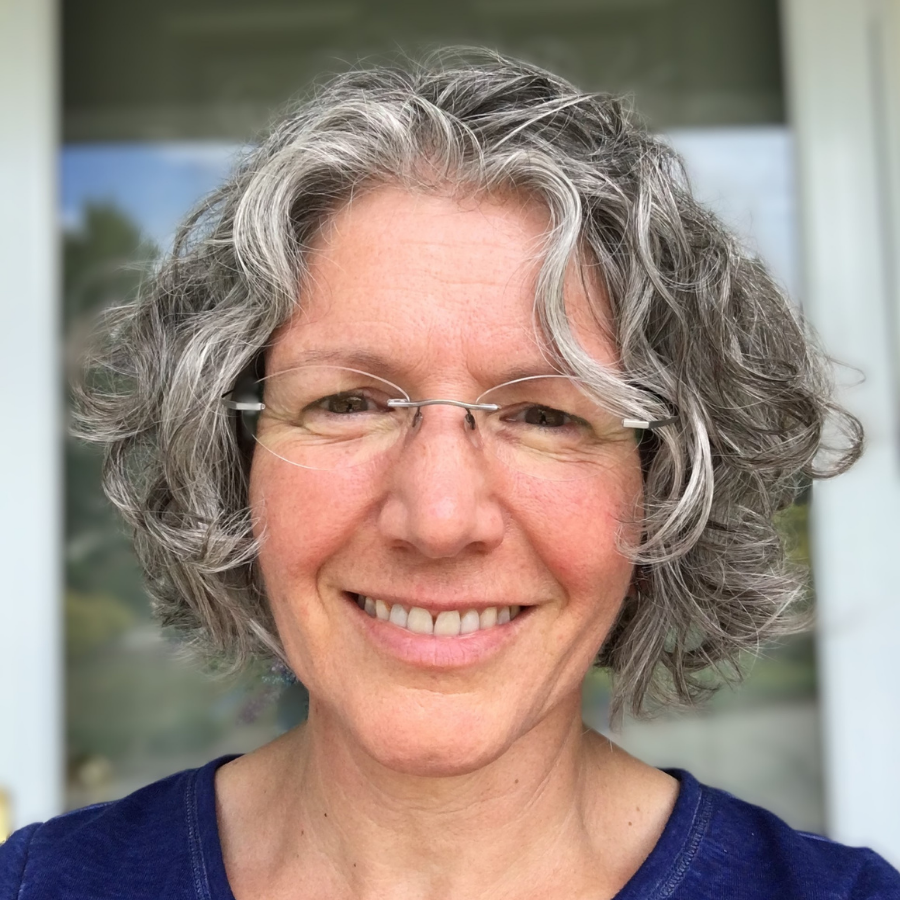
Presentation: Potential uses of low-tech, process-based restoration practices in Virginia
Tess Thompson is an associate professor and extension specialist in biological systems engineering at Virginia Tech. Before pursuing her PhD, she worked as an engineer in state government and private consulting. Her research focuses on stream and wetland restoration, and she teaches university courses in fluvial geomorphology and stream restoration. Dr. Thompson is a fellow of the American Ecological Engineering Society and served on the Scientific and Technical Advisory Committee (STAC) for the Chesapeake Bay Program 2017-2025.
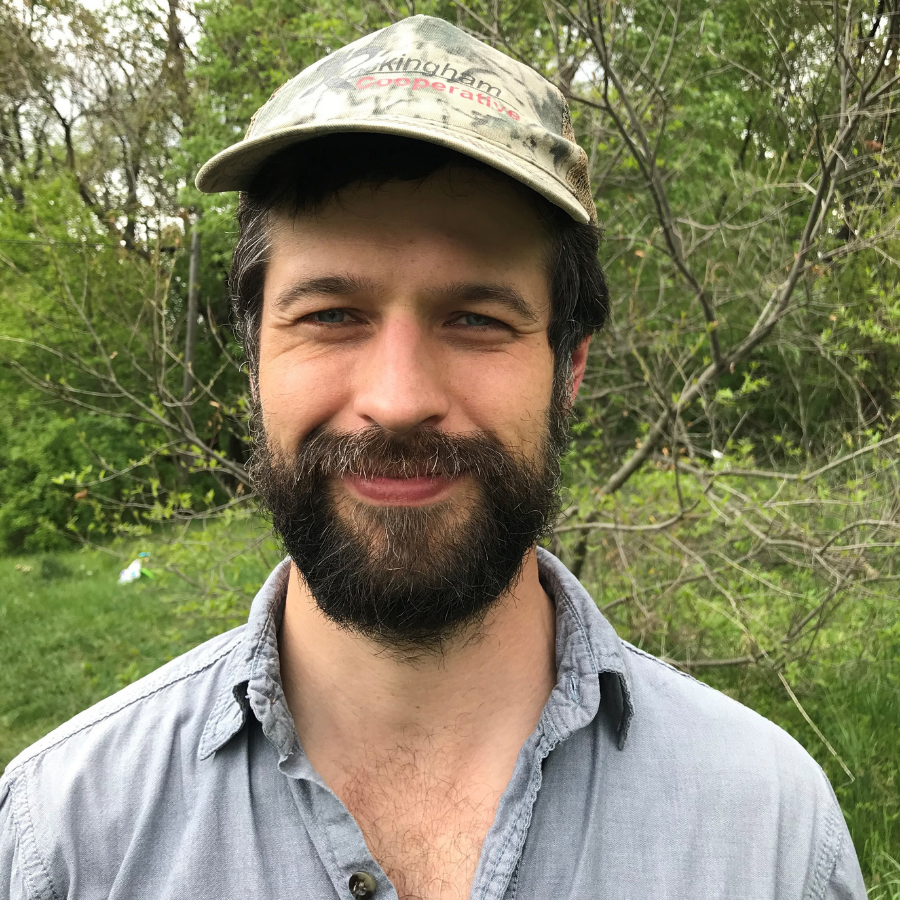
Presentation: Building a Conservation Workforce
Zach Foster is the Executive Director and founder of the Appalachian Conservation Corps (ACC). ACC works to connect over 200 youth, young adults, and veterans to critical conservation service opportunities while receiving certifications and on the ground training each year.
Presentation: Building Capacity for Turtle Conservation Across the Chesapeake Bay Watershed
Chris Polinski is the Lab Manager for the Turtle Conservation Ecology Lab at the Smithsonian’s National Zoo and Conservation Biology Institute. He coordinates research, partnerships, and conservation initiatives focused on freshwater turtle species. His work is focused on building capacity to advance turtle conservation, habitat stewardship, and applied research throughout the region.